
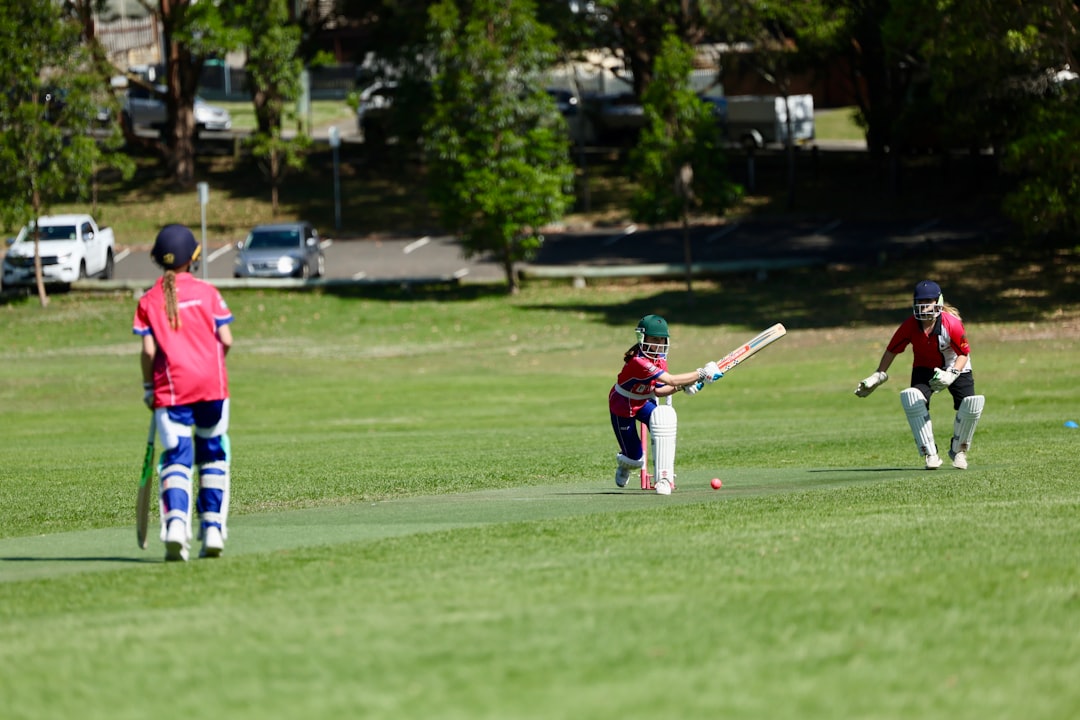
Tips for Choosing the Right Cricket Academy for Young Players

Choosing the right cricket academy for young players is a crucial decision that can shape their future in the sport. With the increasing popularity of cricket, especially in regions where it has traditionally been less prominent, parents and young athletes are presented with numerous options. This article aims to provide insights into what to look for when selecting a cricket academy, ensuring that young players receive the best training and support possible.
Assessing Coaching Quality
The quality of coaching is perhaps the most critical factor when selecting a cricket academy. Look for academies that employ certified coaches with a proven track record in developing young talent. Many successful players have emerged from academies with experienced coaches who understand the nuances of the game and can impart valuable skills and knowledge to their students.
Additionally, consider the coach-to-player ratio. A lower ratio often means that players receive more personalized attention, which can significantly enhance their learning experience. Coaches should not only focus on technical skills but also on fostering a love for the game, encouraging players to enjoy their training sessions while pushing them to improve.
Facilities and Equipment
The facilities available at a cricket academy can greatly influence the training experience. Look for academies that offer well-maintained pitches, nets, and training equipment. Access to quality facilities allows young players to practice effectively and develop their skills in a conducive environment. Moreover, modern training aids such as bowling machines and video analysis tools can provide players with insights into their performance, helping them to make necessary adjustments.
Furthermore, consider the location of the academy. It should be easily accessible for regular practice sessions, as consistency is key in developing cricketing skills. An academy with good facilities and a convenient location can motivate young players to attend training regularly, which is essential for their growth in the sport.
Curriculum and Training Programs
Additionally, consider whether the academy provides opportunities for match play and competitive experiences. Regular participation in matches helps players apply their skills in real-game situations, fostering their ability to perform under pressure. An academy that emphasizes both training and competitive play will better prepare young players for future challenges in cricket.
Community and Culture
The community and culture within a cricket academy can significantly impact a young player’s experience. Look for an academy that promotes a positive and inclusive environment, where players are encouraged to support one another and celebrate each other’s successes. A strong sense of camaraderie can enhance the overall experience and motivate players to strive for excellence.
Moreover, consider the academy’s approach to competition. Healthy competition is essential for growth, but it should be balanced with a focus on personal development. An academy that emphasizes improvement over winning can help young players build resilience and a love for the game, which will serve them well throughout their cricketing journey.
Parental Involvement and Communication
Finally, consider the level of parental involvement encouraged by the academy. Open communication between coaches and parents can create a supportive environment for young players. Look for academies that provide regular updates on player progress and offer opportunities for parents to engage in their child’s development.
Additionally, some academies may offer workshops or seminars for parents, educating them on how to support their child’s cricketing journey effectively. This involvement can foster a strong partnership between parents and coaches, ultimately benefiting the young players as they navigate their cricketing careers.
